U.S. slashes ‘de minimis’ tariff on small China parcels to 54%

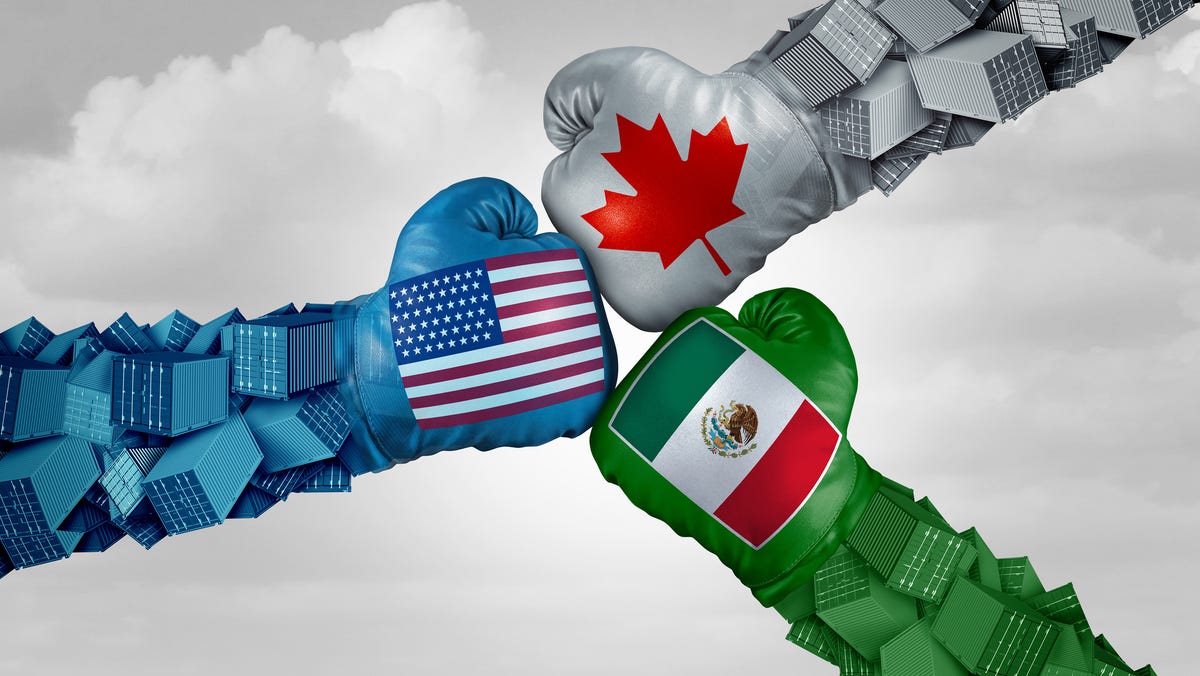
The U.S. will cut the ‘de minimis’ tariff for low-value shipments from China to as low as 30%, according to a White House executive order and industry experts, further de-escalating a potentially damaging trade war between the world’s two largest economies.
Reuters
The United States will cut the “de minimis” tariff for low-value items imported from China, a White House executive order said on Monday, further de-escalating a potentially damaging trade war between the world’s two largest economies.
The tariff relief, which affects big Chinese e-commerce players, including Shein and Temu, follows a deal between Beijing and Washington to unwind most of the duties imposed on each other’s goods since early April, after weekend talks in Geneva.
While their joint statement in Geneva didn’t mention the de minimis duties, the White House order released later said the levies will be reduced to 54 per cent from 120 per cent for items valued at up to US$800 sent from China via postal services, with a flat fee of US$100 to remain, starting from Wednesday.
Carriers can pay either the 54 per cent or the US$100 fee per package, industry experts said. The logistics companies or freight forwarders collect those tariff fees from sellers in China in advance.
The de minimis exemption allowed items valued at up to US$800 and sent from China via postal service to previously enter the United States duty free and with minimal inspections.
In February, President Donald Trump ended the de minimis exemption by imposing a tax of 120 per cent of the package’s value or a planned flat fee of US$200 – set to come into effect by June – blaming it for being heavily used by companies such as Shein, Temu and other e-commerce firms as well as traffickers of fentanyl and other illicit goods.
The number of shipments entering the U.S. through the tax-free channel exploded in recent years with more than 90 per cent of all packages coming via de minimis. Of those, about 60 per cent came from China, led by direct-to-consumer retailers such as Temu and Shein.
According to 2024 congressional testimony from a U.S. Customs and Border Protection official, the average value of a de minimis shipment during fiscal year 2023 was just US$54.
Chinese online retailers Shein – which is considering a London stock market listing – PDD Holdings-owned Temu and U.S. rival Amazon.com Inc. did not immediately respond to requests for comment.
In Monday’s order, the White House said the reduced tariffs will take effect by 12:01 a.m. (0401 GMT) on May 14, 2025.
The plan for a US$200 flat fee duty rate would also be shelved, it said, keeping it at US$100.
China exported US$240-billion in direct-to-consumer goods benefiting from de minimis worldwide last year, accounting for 7 per cent of its overseas sales and contributing 1.3 per cent of gross domestic product, according to Nomura estimates.
Jianlong Hu, chief executive officer of Brands Factory, a Chinese cross-border e-commerce consultancy, said 54 per cent was still very high.
“Sellers are probably taking a wait-and-see approach but in general I think it’s fair to say the boom times of small package delivery from China to the U.S., the Golden Age is already gone.”
Shein is more exposed to de minimis changes owing to its reliance on speed of getting thousands of new styles each week to consumers in the West by air than others such as Temu.
Shein might still be one player that would want to air freight some packages from China and pay the 54-per-cent tariffs rather than import all by boat, Mr. Hu said. “If people are buying clothes on Shein and are told the product will arrive one month later, who will buy that?”
China’s yuan jumped to a six-month high against the dollar on Tuesday, joining a global rally in riskier assets following the broader trade deal between Beijing and Washington.
Mr. Trump’s global trade war, which shredded the playbooks that have governed international trade for decades, has shaken up financial markets and raised fears of a recession.
The U.S. de minimis rule, which dates back to 1938, has been the target of growing criticism from both Democratic and Republican lawmakers.
Some have derided it as a loophole that allows cheap Chinese products to flood into the United States and undercut American industries, while also serving as cover for smuggling contraband such as illegal drugs and their precursor chemicals.
De minimis, a legal term referring to matters of little importance which describes the U.S. waiver of standard customs procedures and tariffs, was one of the most generous exemptions in the world: the EU de minimis threshold, for example, is €150.
The Geneva agreement slashed tariffs for both the United States and China by 115 percentage points each, to 10 per cent and 30 per cent, respectively, for at least 90 days.
The tariff pause will give online retailers such as Shein and Temu breathing space to adapt their businesses, industry experts say, as online retailers are likely to use the time to bring in bulk shipments and restock their U.S. warehouses.
Big beneficiaries of de minimis include online retailers that ship goods mainly from China, such as Shein, Temu and Alibaba’s AliExpress. Their growth prompted Amazon to start its own discount service, Haul, allowing marketplace merchants to ship US$5 accessories and other items directly from China using de minimis.
“I think companies that were part of the cross-border boom from China will still want to diversify their business away from the U.S. as much as they can. Everyone has already realized if you depend on the U.S., it’s too risky,” said Mr. Hu of Brands Factory.
Separately, China has removed a ban on airlines taking delivery of Boeing Co. planes in the wake of the Geneva trade deal, Bloomberg News reported on Tuesday, citing sources familiar with the matter.
Officials in Beijing have started to tell domestic carriers and government agencies this week that deliveries of aircraft made in the United States can resume, Bloomberg said.
link