Ethical investments can make a difference

These in-their-own-words pieces are told to Patricia Lane and co-edited with input from the interviewee for the purpose of brevity.
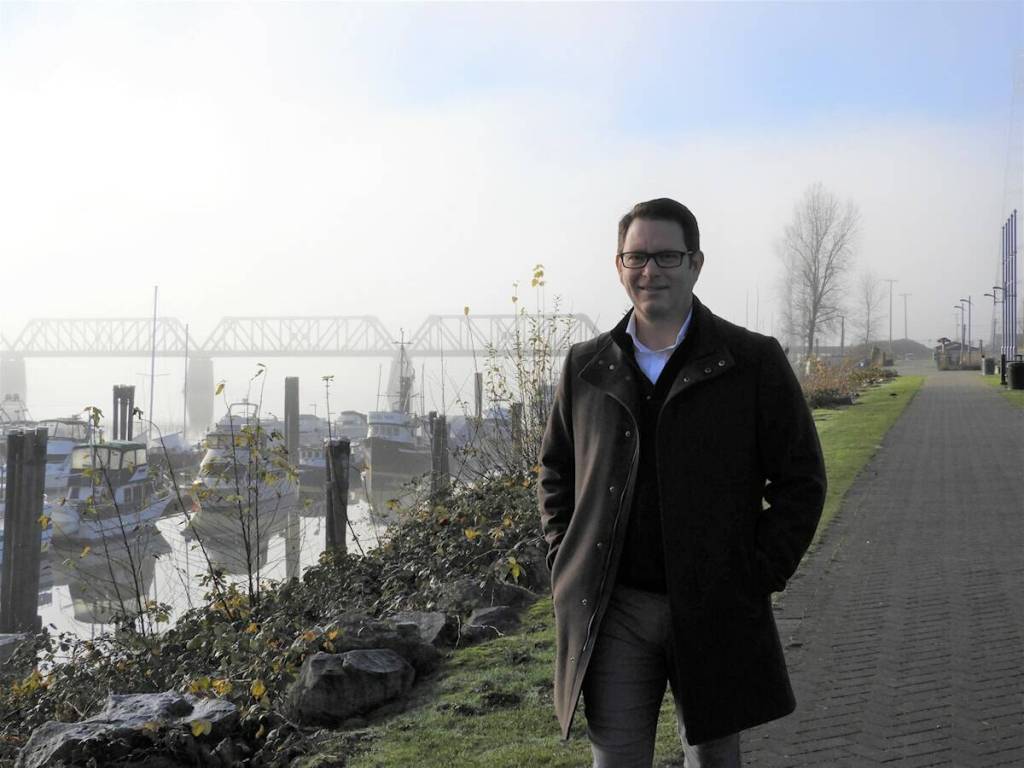
Tim Nash is changing investment finance to support the continuation of life on Earth. As the founder and president of Good Investing, this young economist and new dad from Toronto has supported individuals, not-for-profits, charities, universities and corporations to align more than $9 billion of their money with their ethical, environmental and fiscal values.
Tell us about your project.
People choose their level of engagement. For the merely curious, we offer an informative podcast covering ideas, like the progress of the clean economy and the concept of green bonds. Thousands of those who wish to begin their values-aligned investment journey have opted to join our virtual classrooms. We make it easy for folks to take charge of their own investing and thus, to avoid the often significant trailing fees charged by brand-linked financial advisors. Others want one-on-one advice about options which we provide for a fee unrelated to their investment choices, so they can be confident they are getting straight-up, honest advice, free from industry bias. For those who don’t want to manage their money themselves or who want values-aligned financial or estate planning, we partner with sustainable investment companies.
Decision-makers in universities, pension plans, charities and not-for-profits, who are trying to align their institution’s investment portfolios with their sustainability goals, benefit from understanding the data and research we provide demonstrating that fossil fuels are often not the most lucrative or resilient options when compared with the growing power of the clean economy. I also enjoy helping university student divestment groups learn about options. I like knowing I am helping make their powerful voices for change even more effective, and they will carry the knowledge they gain into their working lives.
We are not brokers, advisors or money managers. We are coaches and teachers supporting people to make intentional decisions about where their money is invested. If a million Canadians can see for themselves that aligning their values with their money can be both profitable and impactful, we believe the entire system will tip to become the norm for everyone. This is already a multi-trillion-dollar trend and it is having a significant impact. I want to be part of empowering Canadians to amplify that wave.
How did you get into this work?
Tim Nash is changing investment finance to support the continuation of life on Earth, as the founder and president of Good Investing.
My dad worked in the investment industry and discussion of financial markets was common at home. I was unhappy with the economics classes I took at university because they almost never discussed any impact other than financial return. On a student exchange in New Zealand, I had a spiritual epiphany when I encountered a 2,500-year-old tree. I understood that its secret to sustainability and that of all life on Earth is a deep connection to the Earth. I discovered in myself a deep empathy and resulting grief for all the life that has ended because humans have failed to maintain that tie. I resolved to dedicate my life to changing that. This is the way that I have chosen.

What makes it hard?
The main barrier is not money or even the market. It is mindsets. My ability to earn a decent living from this project is relatively recent.
What keeps you awake at night?
I am soon to become a father of a daughter. Will my efforts, and those of the millions of others around the globe who are working to decouple rising emissions from economic growth, succeed soon enough to leave her a livable planet?
What gives you hope?
The people who ask for my help are earnestly trying to do the right thing. They often feel alone, and it is a delight to introduce them to the size and scale of the existing movement they are joining. In 2009, there was $1 trillion invested in the clean economy, protecting water and growing renewable energy, green infrastructure and electrifying transportation. In 2025, that number has grown to $20 trillion. It’s unstoppable.
What do you see if we get this right?
An economy that works for everyone, including the most vulnerable and the life on this planet on which we depend.
What would you like to say to other young people?
Hope is a sweater you decide to put on every day. It’s a choice, but you will be warmer if you make it.
Put your own oxygen mask on first. We will spend the rest of our lives contending with the wicked problems climate change brings. Promise yourself to be there for the long haul by taking care of yourself and those around you every day. Whatever your work or studies, find the places where the light shines brightest for you. It’s only sustainable if it feeds you.
What about older readers?
Your money and the money held by the organizations you participate in, like your pension fund, not-for-profit or church, can work for your values, but if you don’t pay attention, it is likely undermining them. Get some good advice and then, start making deliberate decisions to funnel it toward the common good.
link